
The mystery Sacramento leader I put my headhunter hat back on to meet
600+ survivors have already contributed. Is your experience in the evidence?
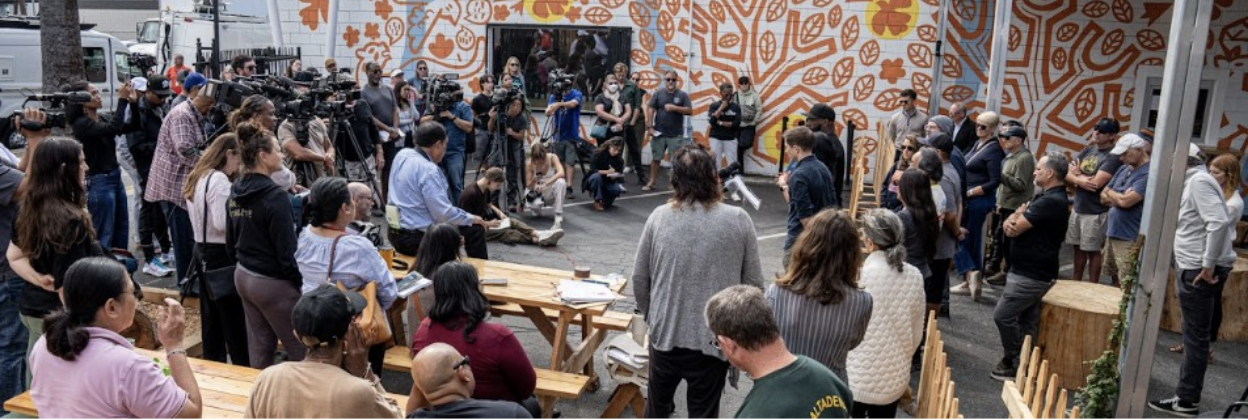
Dear friends,
Last month, after County Supervisors Kathryn Barger and Lindsey Horvath announced the County lawsuit against State Farm, social media filled with comments like:
“Why aren’t they suing MY insurance company? Mine’s just as bad!!”
Here’s why:
One survivor’s experience can be dismissed as an isolated case. Hundreds reporting the same thing reveal a pattern.
The County’s 107-page lawsuit shows exactly what survivor data can do. It cites EFSN’s collection of nearly 500 firsthand messages from State Farm survivors, the six patterns we found, and our analysis of how often different violations appeared.
Patterns become evidence that law enforcement, journalists, legislators and lawyers can use.
Now we have a chance to build that evidence across every insurer, good and bad.
That’s why we launched the L.A. Fire Survivor Insurance Survey.
It takes about 15 minutes: firesurvey.org
850+ Survivors Have Already Contributed. Is Your Experience in the Evidence?
Hundreds of individual insurance stories are becoming one first-in-the-nation body of evidence on every insurer.
Journalists and law enforcement are already eager to see what the data reveals. Lawyers, regulators and lawmakers will be able to use it too. As legal deadlines approach, the patterns we uncover will help inform investigations, litigation, media scrutiny and insurance reform.
And that record is taking shape right now.
Total-loss single-family English-language Eaton Fire homeowners are the most represented.
If your home is still standing but smoke-damaged, if you rent, live in a condo or mobile home, or live in the Palisades, here’s your chance to make sure your experience is represented.
We’d especially love more responses from Spanish-, Chinese- and Korean-speaking survivors. If you know survivors, churches or community groups in those communities, please share the survey with them.
We’re already seeing differences linked to specific insurers, but we’re not sharing them yet because we don’t want to influence people who haven’t taken the survey.
Once it closes, we can study who’s in the data. We can’t go back and add who isn’t.
So while the record is still being written, add your experience now.
FAQ: Will My Information Stay Confidential?
Yes. No individual or household will be identifiable when we release the data. The survey data will be de-identified, anonymized and aggregated before it is made public.
Your identity stays private. The patterns become public.
And if there’s one thing this year has taught me, it’s that good data changes who listens to survivors.
We’ve seen it with journalists, lawmakers and law enforcement. We’ve seen it in Sacramento, where survivors walked in with very little political power and ended up helping shape some of the year’s biggest fights.
Which brings me to someone I’ve been trying to figure out for months.
FAQ: Will My Information Stay Confidential?
Yes. No individual or household will be identifiable when we release the data. The survey data will be de-identified, anonymized and aggregated before it is made public.
Your identity stays private. The patterns become public.
And if there’s one thing this year has taught me, it’s that good data changes who listens to survivors.
We’ve seen it with journalists, lawmakers and law enforcement. We’ve seen it in Sacramento, where survivors walked in with very little political power and ended up helping shape some of the year’s biggest fights.
Which brings me to someone I’ve been trying to figure out for months.
For Months, CPN Was One of Sacramento’s Biggest Mysteries
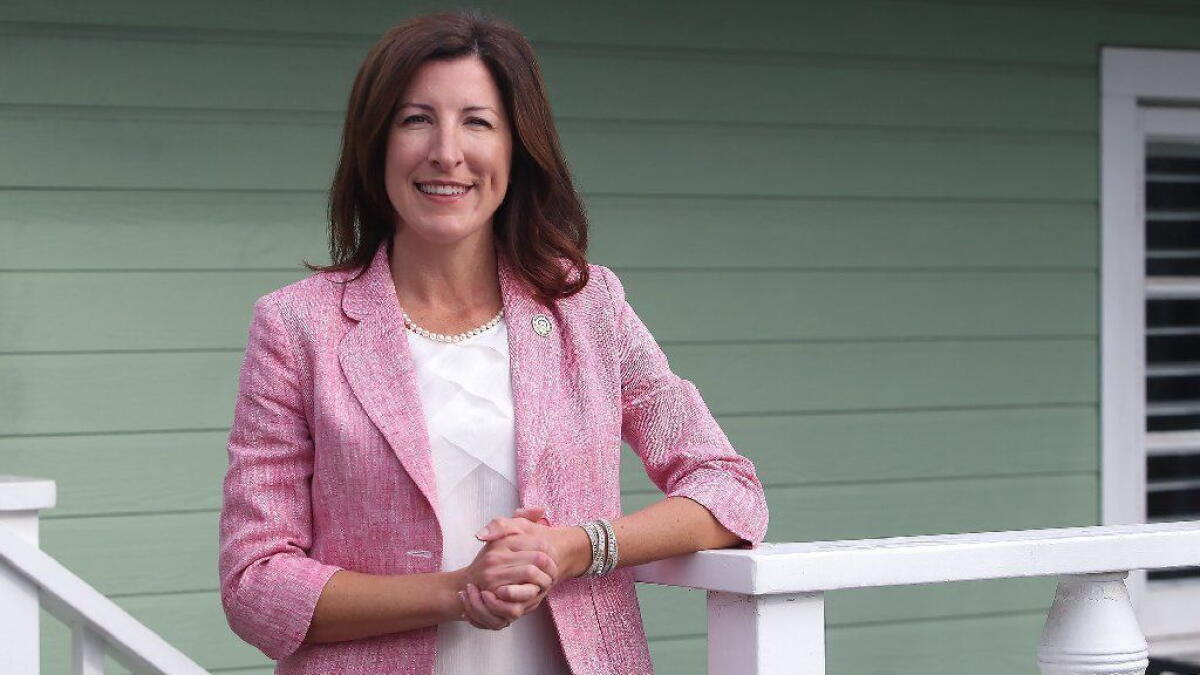
Assemblymember Cottie Petrie-Norris chairs the Assembly Utilities and Energy Committee. Around Sacramento, she’s known as CPN.
Given her role, she’s one of the utility lobby’s biggest targets in the Legislature. And survivors have had plenty of questions about where she stands.
My first interaction with CPN was over AB 1774, the bill EFSN co-sponsored with Consumer Watchdog to require annual financial audits of the billions California’s three utility monopolies collect from ratepayers for wildfire safety. (LA Times: Fire survivors call for audits of Edison’s wildfire prevention spending.)
This one has always made my blood boil.
After the Eaton Fire, the LA Times conducted a nine-month investigation and found that Edison had charged us hundreds of millions of dollars for wildfire safety projects it failed to complete, including work on the transmission line which caused the Eaton Fire.
We paid for the safety work. When it wasn’t done, we paid again, with our homes and lives.
AB 1774 simply said: audit the safety money and spend it on safety, or no new money next year. CPN passed it out of her committee 11-0 before it was mysteriously killed in Assembly Appropriations.
Then came this summer’s fight over the utility bailout. Thousands of us signed letters, posted on social media, held press conferences and wrote postcards.
Then, victory! Legislators listened to survivors. Both the Senate and Assembly rejected the utility bailout and all its limitations on victim restitution after utility-caused fires.
Then the stock prices tanked of two utility monopolies that keep causing catastrophic fires: Edison and PG&E. Their lobbyists descended on the Legislature, demanding the death of the compromise bill, SB 492, to revive the bailout.
The Assembly killed SB 492.
And again, people wondered what CPN was doing.
So I Did What Headhunters Do. I Went to Meet Her.
Last week, Consumer Watchdog President Jamie Court asked CPN for a meeting. She said yes. Jamie invited me. I jumped at the chance.
Before all this, I spent years recruiting CEOs and board members for Fortune 500 companies. My team would find 100 candidates with perfect résumés. My job was to eliminate 99.
I’m warm because I genuinely like people. But I learned to be skeptical.
Once a headhunter, always a headhunter.
So I went into that meeting watching.
Most legislative meetings last 15 minutes. CPN gave us more than an hour. Our conversation was off the record, so I won’t tell you what was said. But I can tell you what I saw.
We went deep into the economics, financials, moral hazards and safety issues surrounding California’s utility monopolies. She stayed in the weeds with us, challenged assumptions and engaged deeply on every issue we raised.
We didn’t agree on everything. Which is healthy. That’s what serious policymaking should look like.
I’ve heard people talk about CPN’s MBA as if that means she automatically sides with corporations. I disagree. My own MBA and years in business help me distinguish genuine economics from corporate BS.
I went in skeptical. I walked out impressed and, frankly, inspired.
But that’s my read. You should make your own.
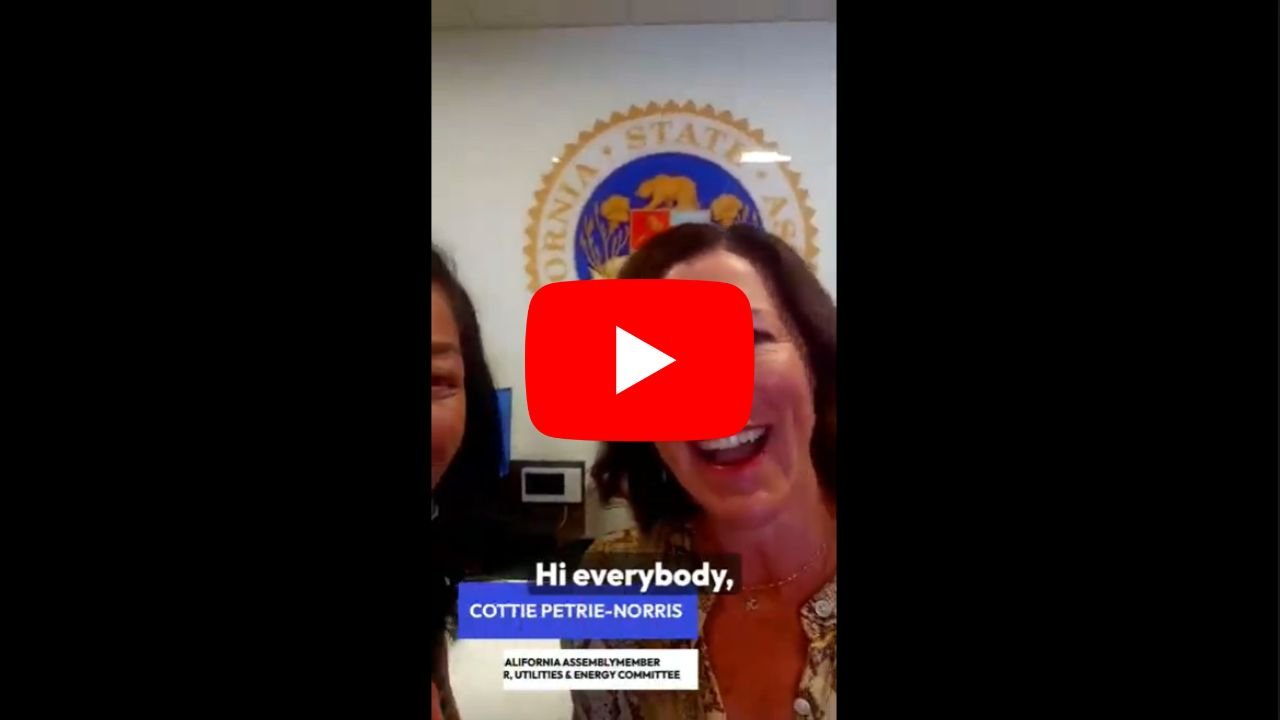
So before we left, I asked CPN to record a message for our survivor community:
Utility monopolies have armies of lobbyists, lawyers, economists, money and access.
We have each other, our lived experience, and legislators who listen because we bring them strong ideas backed by data.
We Want Every Recovery Organization Armed With Data
Through this wild year in Sacramento, we’ve built relationships with legislators and credibility with the news media. We’re heading into 2027 with something we didn’t have a year ago: survivor voices that policymakers want in the room.
But EFSN doesn’t want to be the only organization walking into those rooms with data.
We want every recovery organization to have it.
After the survey data is de-identified, aggregated and prepared for public use, we’re making it free and publicly available.
Organizations serving renters, seniors, smoke-damage survivors, underinsured families and other communities will be able to see how their people are faring, identify patterns and bring that data into conversations with policymakers and funders.
No need for 50 organizations to spend precious recovery dollars building the same research 50 times.
We’re building the dataset once so all of us can use it.
Here’s an email organizations can send survivors:
https://docs.google.com/document/d/1nHZTaa8i7MSWsaO7txMG6zvVuIIK9ACG6GTJ4cus_S0/edit?tab=t.0
And here’s a short message you can drop directly into your newsletter or social network:
After the fire, did your insurance company help you or hurt you? Eaton and Palisades fire survivors are building the nation’s first public record of how insurers treated us, including who paid, delayed, denied or underpaid. The survey takes about 15 minutes, and no individual or household will be identifiable in the public results. Take it now to make sure your experience is counted when your insurer is measured: FireSurvey.org
Got Questions? Come Ask Us Next Wednesday.
UCLA’s Gabriella Carmona, Aimery Thomas of The Future Organization and I will hold a 30-minute Zoom Q&A next Wednesday to answer your questions about the survey.
We’ll talk about who we’re reaching, survivor confidentiality, what we can and cannot share while the survey is underway, and how the public data can ultimately be used.
Wednesday, September 23 | 4:00 to 4:30 p.m. PT | Zoom
https://us06web.zoom.us/webinar/register/WN_09n2gLuNSXmZibHyC66FPA
Please don’t wait until the webinar to take or share the survey. Every response we collect now becomes part of the data we’ll all have later.
We Paid an Obscene Tuition. Now Let’s Turn It Into Data That Gets People Home.
None of us chose to become experts in insurance, utilities, housing and California politics. We learned because we had to.
We paid an obscene tuition for that education.
But we can do something with what this disaster forced us to learn.
Let’s turn what happened to us into data that moves insurance dollars and gets families home.
Share the survey using our ready-to-post social images, emails and other assets:
https://drive.google.com/drive/folders/1FSBmYSyPAb7zIpZKHr0V7ZPss4GnVJd4?usp=sharing
The survey closes as soon as we have enough responses for statistically meaningful results.
Then we put the data to work.
With love,
Joy