One Year After the Fire
This is What Recovery Actually Looks Like.
One year ago, the Eaton and Palisades fires destroyed homes, neighborhoods, and lives.
Today, most families are still not home.
This page is a public record of what survivors are living through right now.
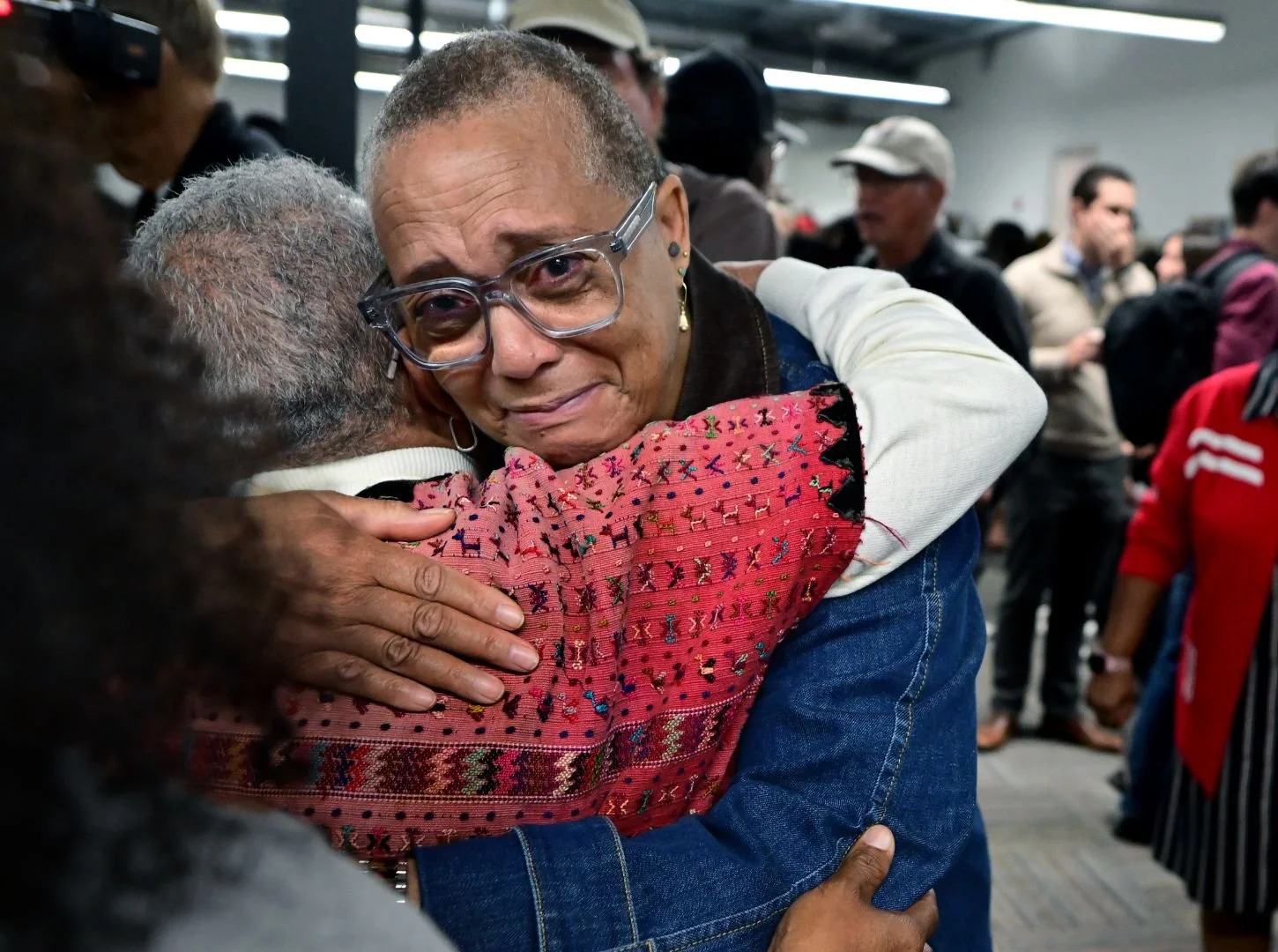
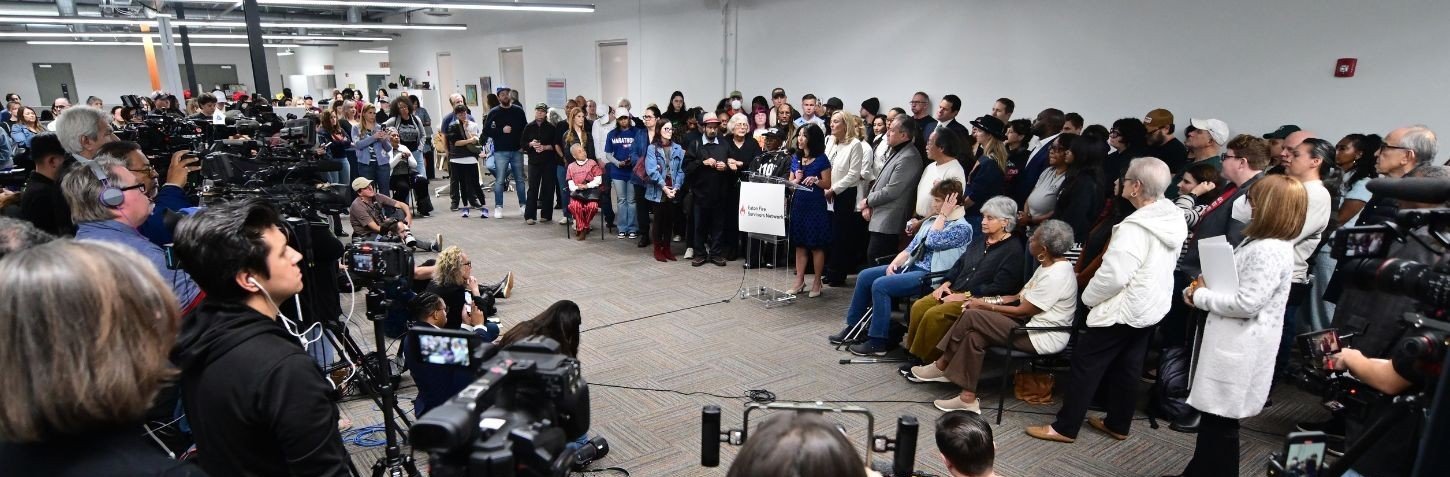
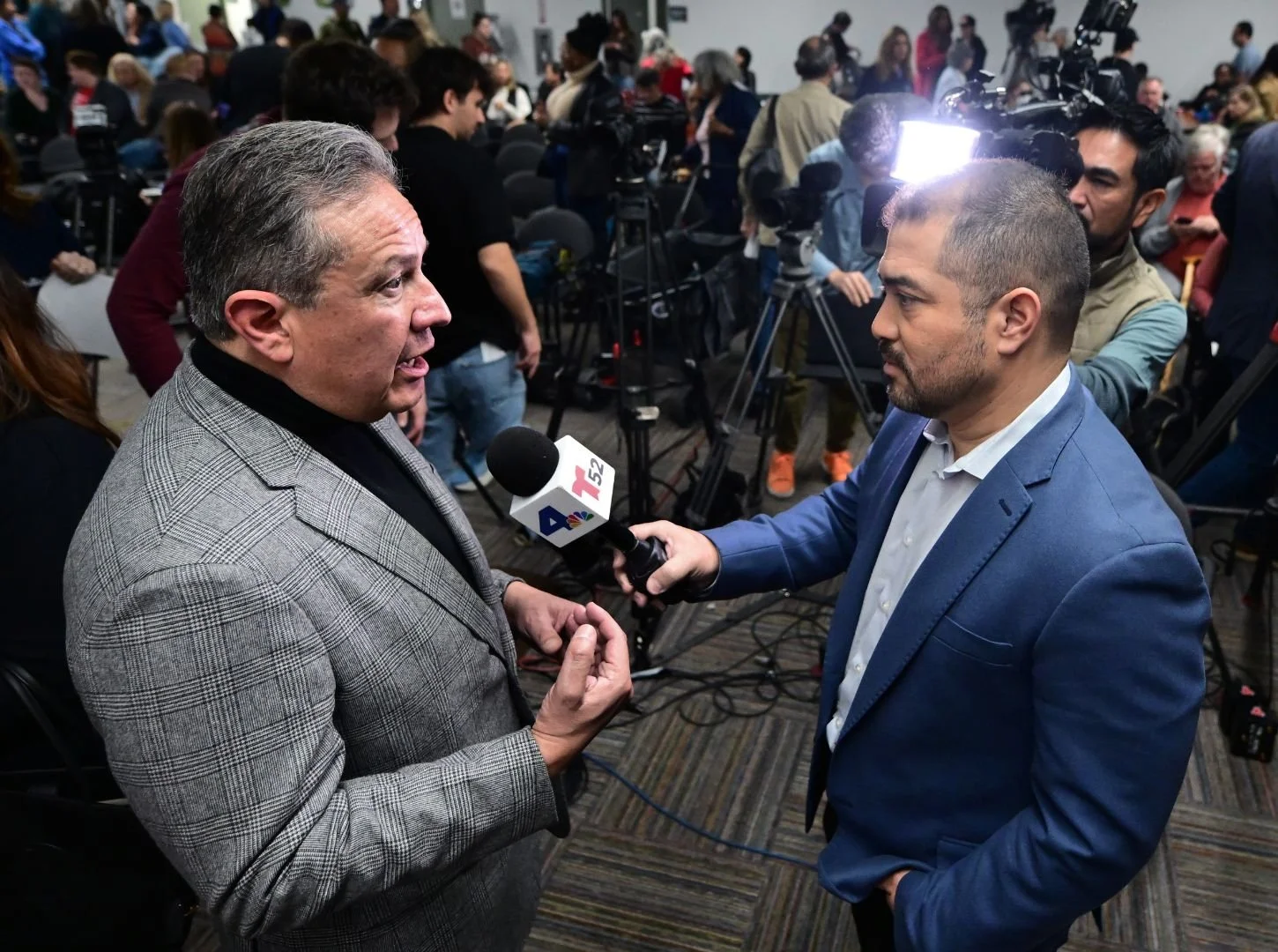
More than twenty national and local news outlets covered this moment.
Millions of Americans have already seen pieces of it.
Now, watch the full and unfiltered record.
What Survivors Put on the Record.
One year in, recovery has taken a K-shape.
At the top of the K are families who had wealth before the fire, and the lucky few whose insurance paid fully and on time.
At the bottom of the K are most families, still displaced.
Not because we failed.
Because the money we are owed has not arrived.
The money families are waiting on comes from three places:
Insurance companies obligated to pay claims.
Edison International, the for-profit electric company which caused the fire.
The federal government, whose disaster funding determines whether displacement becomes permanent.
When that money arrives, recovery moves.
When it does not, recovery stops.
Recovery is being decided by the money we are owed.
What Changed When Survivors Organized.
After the fires, the systems families depended on became barriers to recovery.
Department of Angels data shows 70% of Eaton and Palisades survivors report delays, denials, and underpayments blocking recovery.
So survivors organized.
We documented illegal delays and underpayments.
We brought evidence forward.
We called publicly for enforcement of the law.
Earlier in the year, some payments began to move.
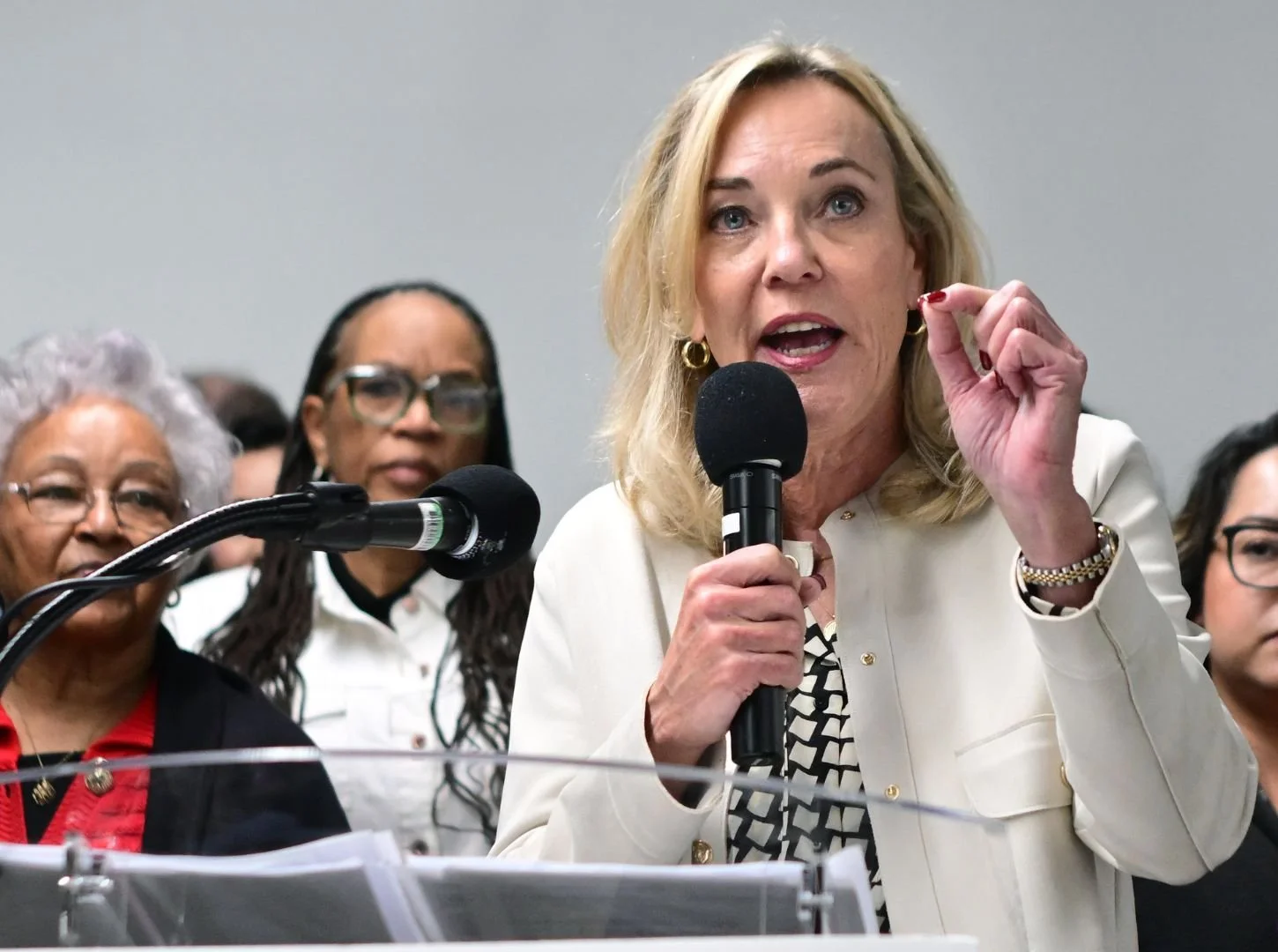
When state enforcement failed, we brought our evidence to L.A. County Supervisor Kathryn Barger, who launched a formal investigation.
Claims that had been stalled for months moved.
Checks that had been delayed or denied were approved.
Together, we unlocked more than $100 million directly into Eaton and Palisades survivors’ accounts.
Watch how it happened on CBS News →
Watch the full press conference →
Changing the Shape of Recovery
Year One revealed a recovery shaped by wealth and luck.
If you had wealth, or your insurance paid, recovery began.
If not, recovery stalled.
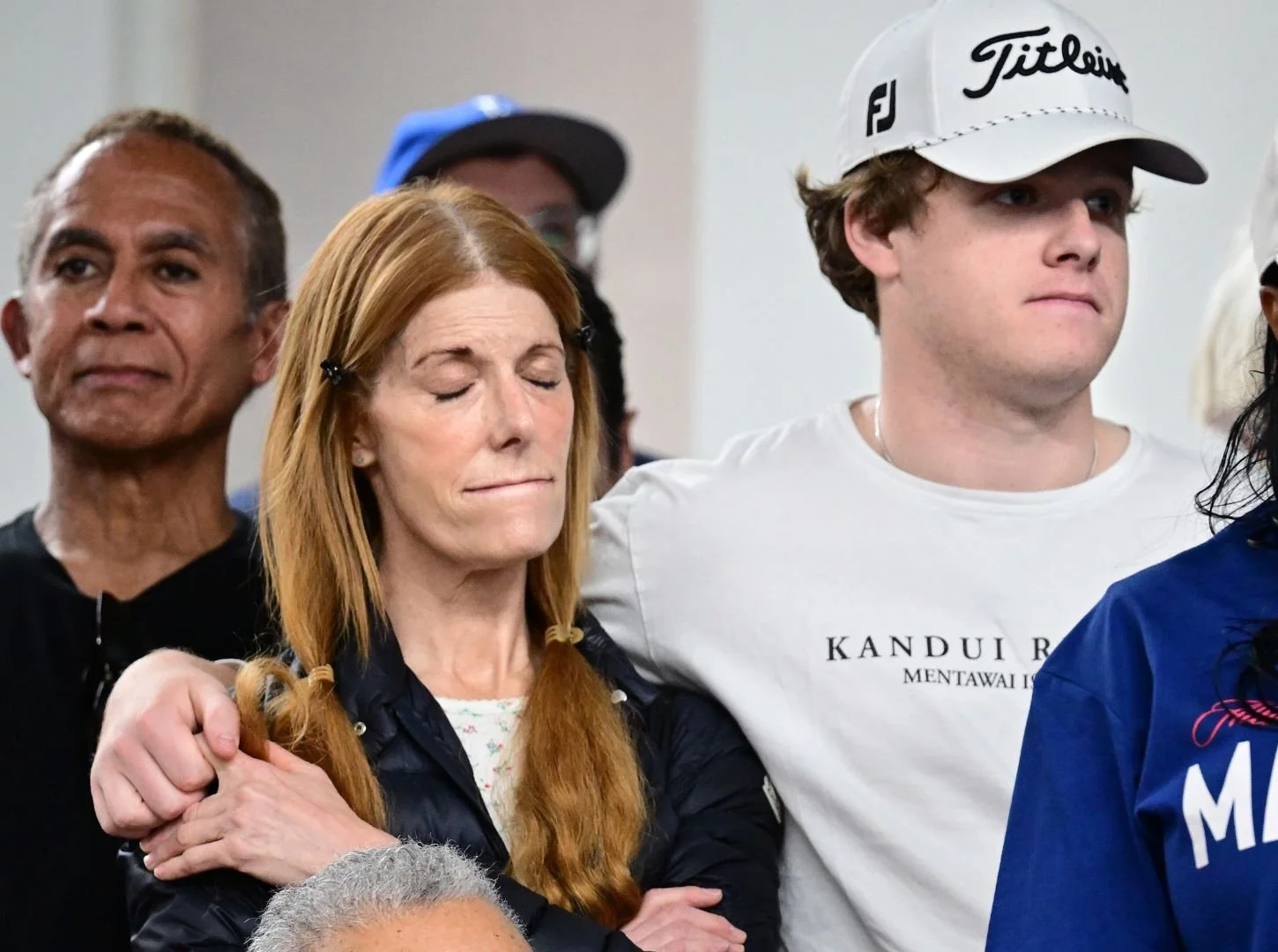
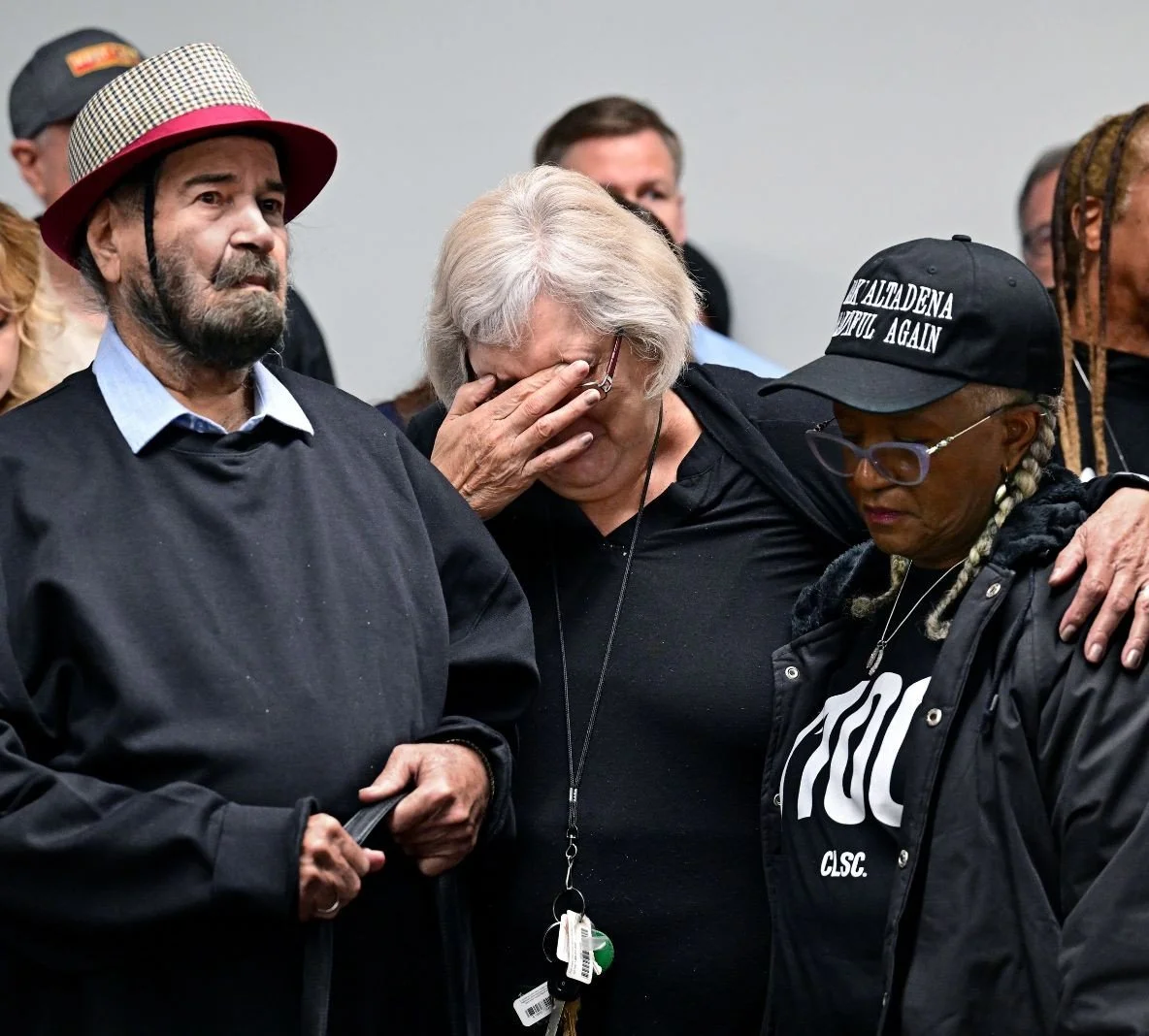
That is the reality survivors put on the record.
Year Two is about changing the shape of our recovery.
More than 10,000 survivors and allies are organized through EFSN to make sure recovery is not reserved for the wealthy or the lucky.
We are determined to make sure every Eaton and Palisades family can get back home.
That means unlocking what we are owed.
From Edison.
From insurance.
From the federal government.
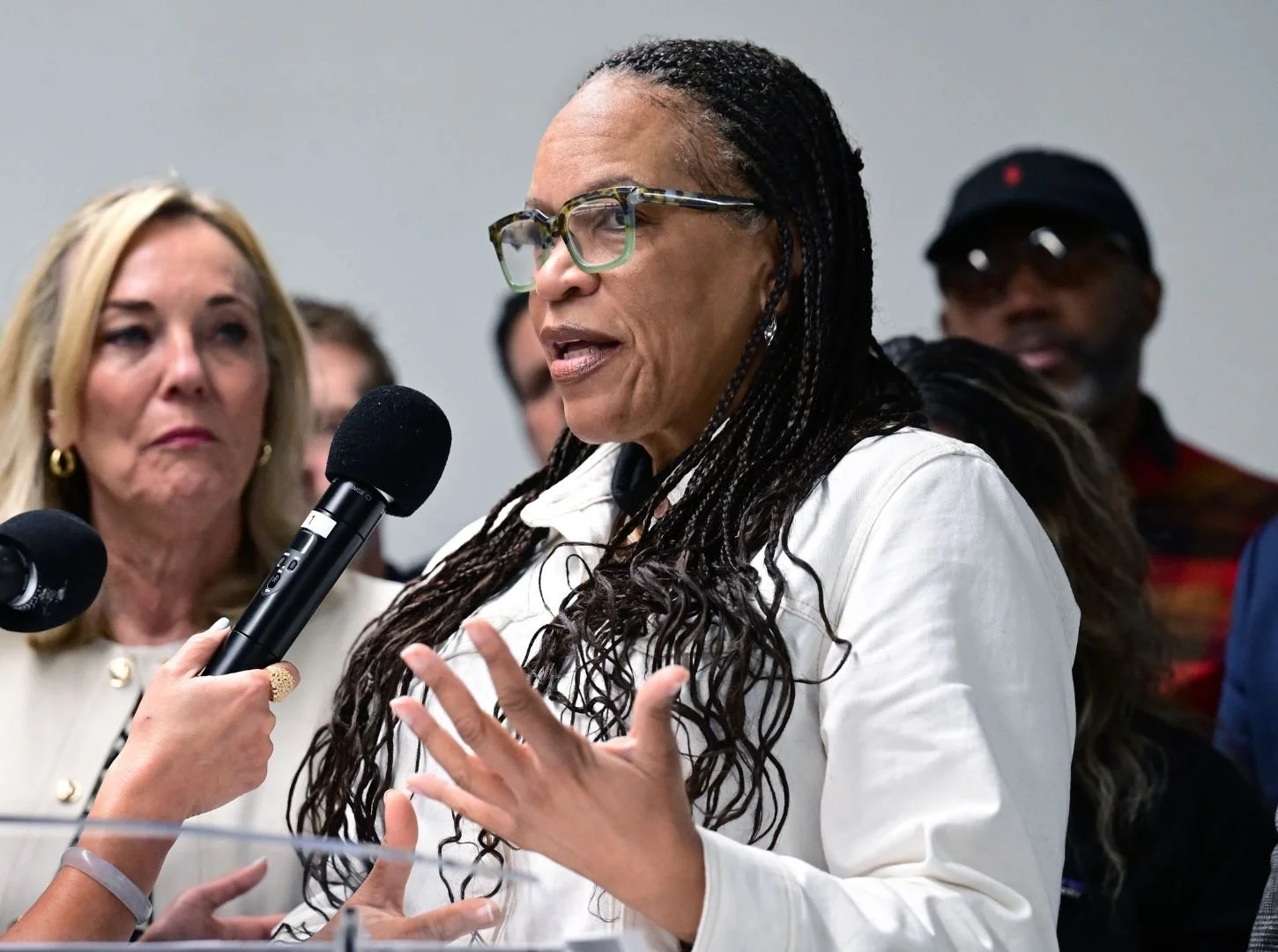
At this press conference, SenatorSasha Renée Pérez announced new legislation to stop illegal insurance delays and underpayments. A broad civic coalition called on Edison to advance urgent housing relief to keep families housed until we can get back home. And we made clear that federal funding must arrive on a timeline that prevents permanent displacement.
This press conference marks the start of Year Two.
Survivors Leading the Call for Urgent Housing Relief
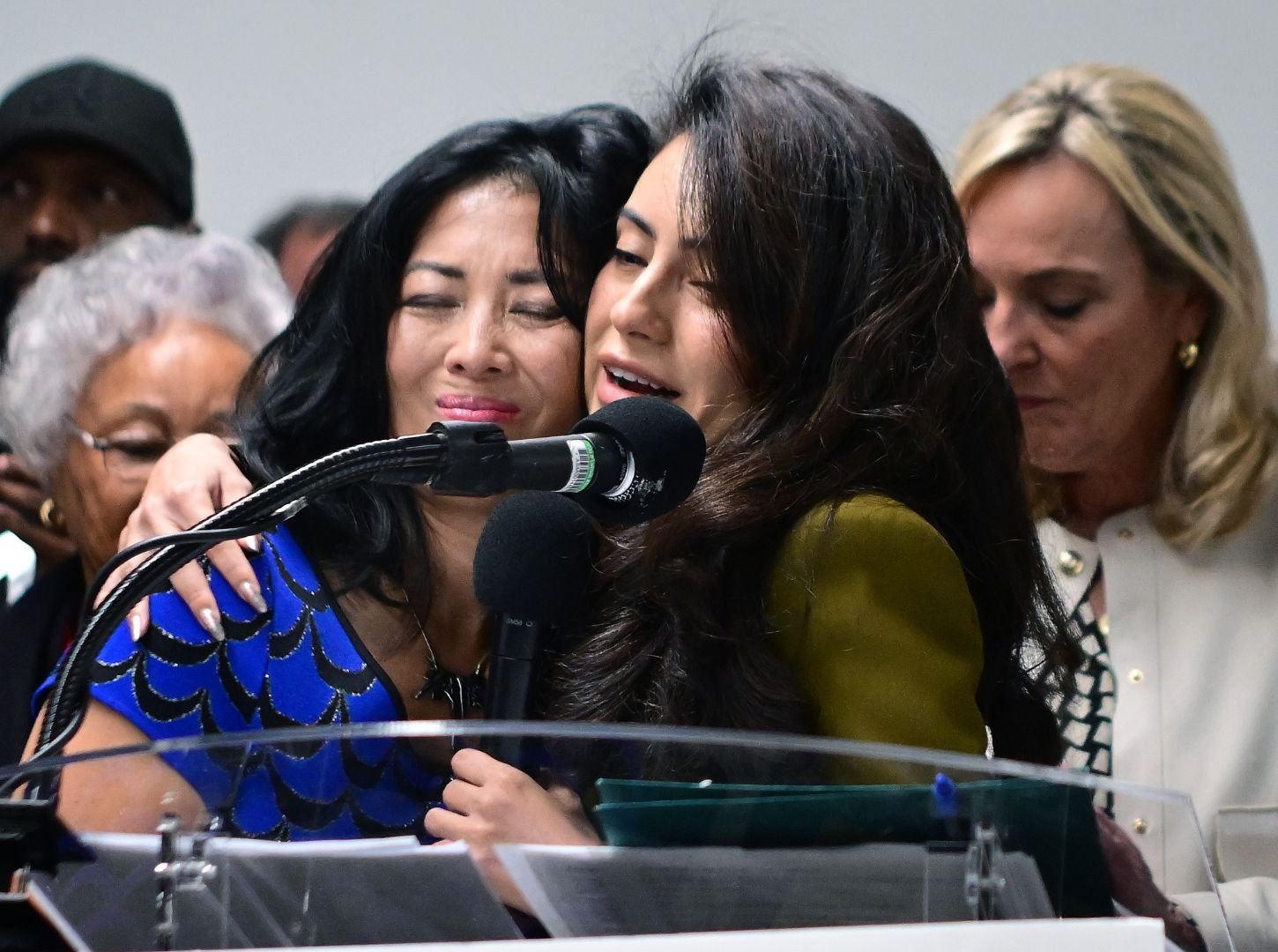
You will hear directly from survivors who are not just living the consequences of delay, but using their voices to advocate for themselves and all survivors.
Ada Hernandez
A total-loss homeowner whose home was destroyed in a fire caused by Edison. Ada’s charity-provided housing is ending. Without urgent relief, she and her children could be living in their car within a week. Ada stood at this press conference to call on Edison to advance urgent housing relief so families are not forced into homelessness.
Rose Robinson
A lifelong Pasadena and Altadena resident. A tenant. A mother. Still displaced. Rose lost everything, including irreplaceable family heirlooms from her father, Olympic silver medalist Mack Robinson, and her uncle, baseball legend Jackie Robinson. She stood with survivors to demand urgent housing relief so long-term displacement does not become permanent.
They are not asking for sympathy.
They are calling for urgent housing relief so families can stay housed until they can get back home.
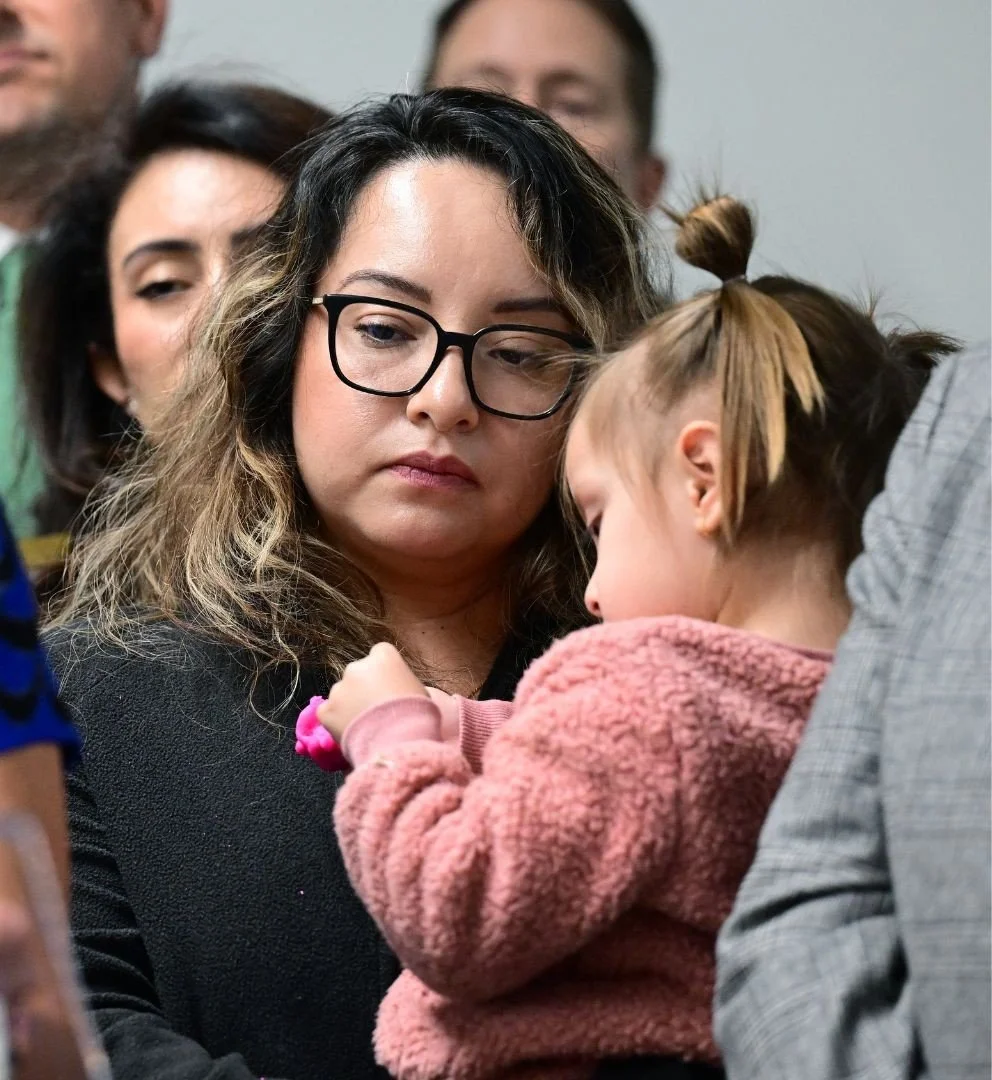
“Truly Stirring. Unforgettable.”
People who attended wrote afterward:
“An incredible press conference. Truly moving and powerful.”
“Chilling. Heart-wrenching. And deeply affirming.”
“This changed how I understand our recovery.”
These reactions are not about the production values.
They are about truth, and results.